Tensile Structure Guide
PVC vs PVDF vs PTFE Fabric: Which One to Choose for Tensile Roofing
Understand PVC polyester, PVDF top-coated fabric and PTFE glass fibre before specifying a tensile roof.
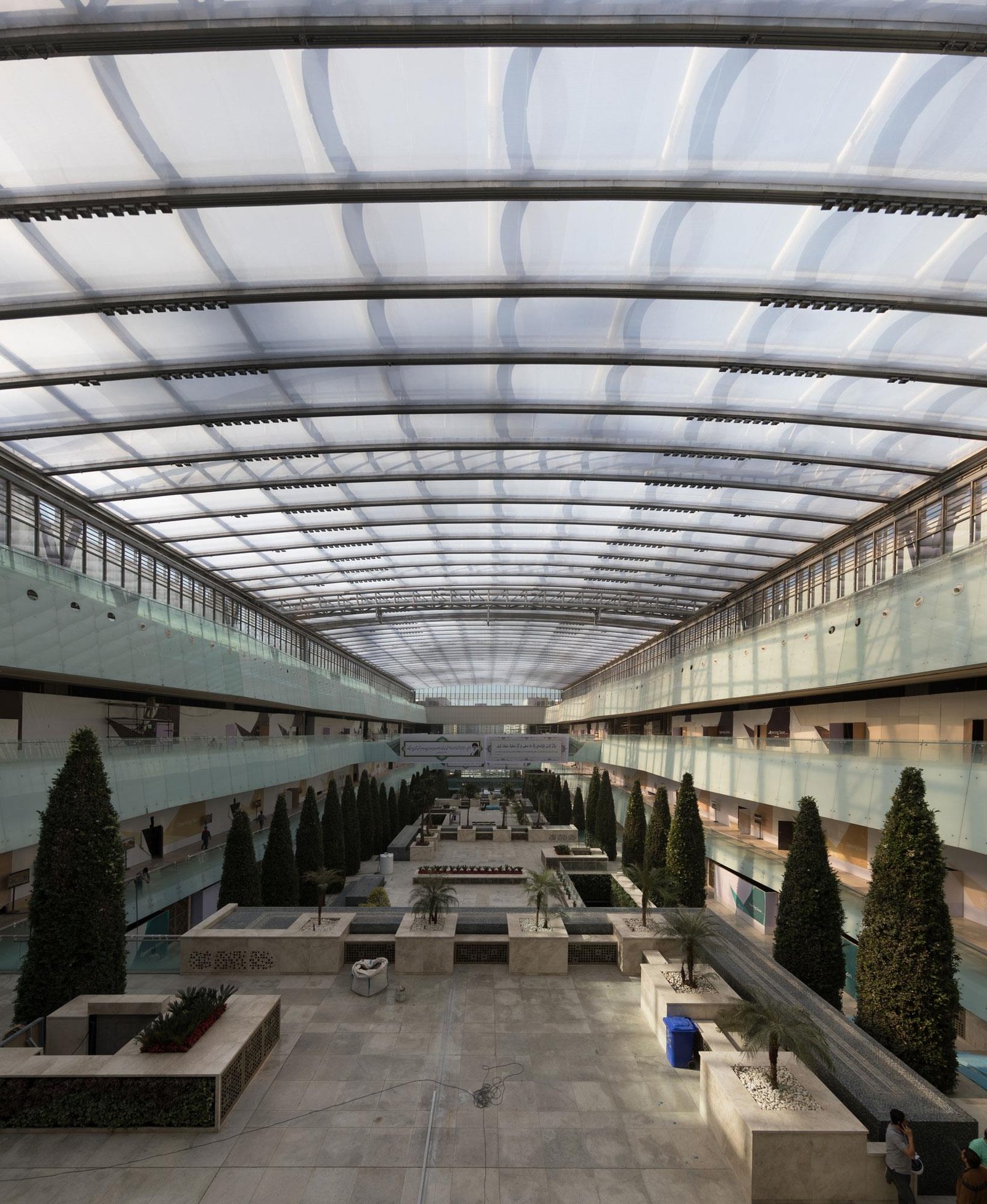

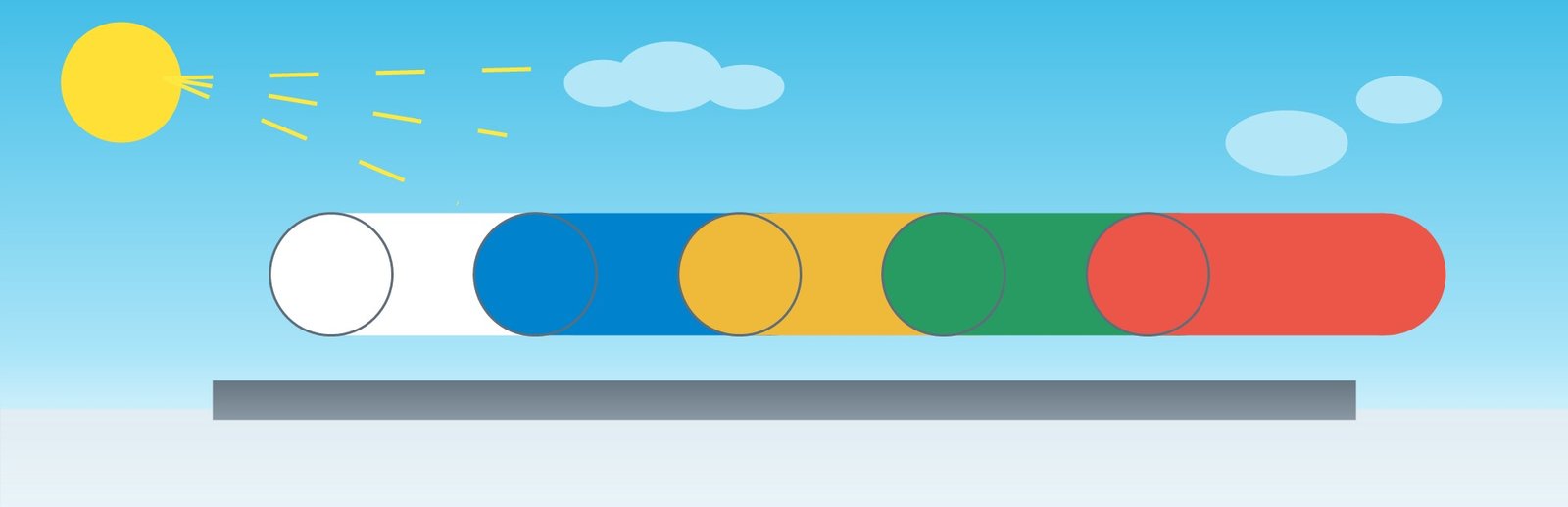
Quick answer: PVC-coated polyester is the common economical membrane, PVDF is usually a premium surface treatment on PVC that improves weathering and cleanability, and PTFE-coated glass fibre is a high-performance long-life architectural membrane. Verify the exact datasheet, warranty and fire classification.
PVC-coated polyester
PVC polyester combines a woven structural base with protective coating. It is weldable, available in many weights and colours, and widely used for canopies, parking, events and commercial roofs. Quality varies substantially, so fabric weight alone cannot represent tensile strength, coating adhesion, UV stability or warranty.
Standard PVC membranes are often planned around a 10–15 year service range under suitable conditions. Actual results depend on brand, top finish, climate, pollution, detailing and maintenance. Use the product warranty and test certificates for procurement decisions rather than a generic life claim.
PVDF-finished membranes
PVDF commonly describes a protective top coating applied over a PVC-coated polyester membrane. It improves resistance to dirt, chemicals and weathering and helps the roof retain appearance. The percentage and application method vary by manufacturer; “PVDF” should therefore be backed by a named product datasheet.
It suits permanent architectural canopies where cleaner appearance and longer weathering performance justify a premium. Welding and lacquer preparation must follow the membrane manufacturer’s method. Confirm fire classification, light transmission, tensile and tear strength, adhesion, warranty and approved cleaning instructions.
PTFE-coated glass fibre
PTFE uses a glass-fibre base coated with a chemically stable fluoropolymer. It is dimensionally stable, non-combustible in many tested systems and capable of long service on major permanent roofs. It generally requires specialist patterning, handling and installation and is not a direct price substitute for PVC.
Use PTFE for landmark or long-life projects when its performance is supported by engineering, connection detailing and qualified fabrication. Evaluate initial colour change during weathering, translucency, seam technology, repair procedure and availability. For every material, compatibility with cables, plates, edge details and drainage remains essential.
How to plan your project
Start with the use case rather than a material name. Record the covered dimensions, clear height, column restrictions, pedestrian or vehicle movement, drainage path, nearby buildings and installation access. Share site photographs and a basic layout, then arrange a physical survey before freezing the quotation. A responsible proposal should state what is included: design basis, fabric or cladding specification, structural steel, foundations, drainage accessories, coating, transport, lifting, installation, taxes and warranty.
Budget comparisons are meaningful only when the scope is equal. One quote may exclude foundations, edge cables, gutters, crane access or painting while another includes them. Ask each bidder to identify material brand and grade, membrane weight or roof thickness, steel specification, corrosion-protection system, design wind criteria and exclusions. Do not select a permanent outdoor structure only by the lowest per-square-foot figure.
The normal delivery sequence is requirement review, site measurement, concept, budget confirmation, engineering, client approval, procurement, workshop fabrication, foundation preparation, dispatch, installation and final inspection. Weather and civil readiness can affect the schedule. Keep drawing approvals and change requests in writing, confirm who coordinates electricity or equipment at site, and provide a safe storage and working area for the installation team.
Maintenance should be planned at handover. Preserve material certificates, drawings, warranties and photographs. Inspect the structure after severe weather and at routine intervals for blocked drains, loose hardware, coating damage, abnormal deflection, membrane abrasion or water ponding. Cleaning products and access methods must suit the selected surface. Repairs should be assessed early; unapproved drilling, welding or attachment of signage can change loads and invalidate warranties.
Engineering, approvals and lifecycle value
An outdoor roof is a structural system, not only a fabric or cladding purchase. The responsible project team should define design wind actions, imposed loads, drainage assumptions, support reactions and foundation criteria for the actual location. Soil conditions, neighbouring roofs and terrain exposure can change the engineering. Architectural drawings, structural calculations and statutory submissions should be coordinated by qualified professionals as required by the local authority and project type. Product marketing figures cannot replace project engineering.
Lifecycle value includes how reliably the roof performs, how easily it can be inspected, and what eventual repair or replacement requires. A slightly higher initial specification may be sensible when access is difficult, downtime is costly or appearance is business-critical. On the other hand, a straightforward, replaceable PVC membrane may be the rational choice for a modest canopy. Document the decision, expected service conditions, warranty limitations and maintenance responsibility so the owner understands both the benefit and the continuing obligation.
For a site-specific recommendation, review our architectural fabrics service page or request a site visit. Maasidhi Catalyers works across Delhi, Haryana, Odisha and other Indian locations according to project scope and site readiness.